
Smart Ways to Reduce College Costs Without Sacrificing Your Education
Strategic approaches to making higher education more affordable while maintaining academic quality and career outcomes.
The rising cost of higher education has become one of the most significant financial challenges facing American families. Finding smart ways to reduce college costs has evolved from a helpful strategy into an essential skill for students and parents navigating the complex landscape of tuition, fees, room and board, and countless ancillary expenses. The good news is that numerous legitimate approaches exist to significantly lower the overall price of obtaining a degree without compromising the quality of education or limiting future career prospects. From leveraging financial aid opportunities to making strategic institutional choices, students who approach college financing with careful planning can emerge with both excellent credentials and manageable debt levels.
Maximizing Financial Aid and Scholarship Opportunities
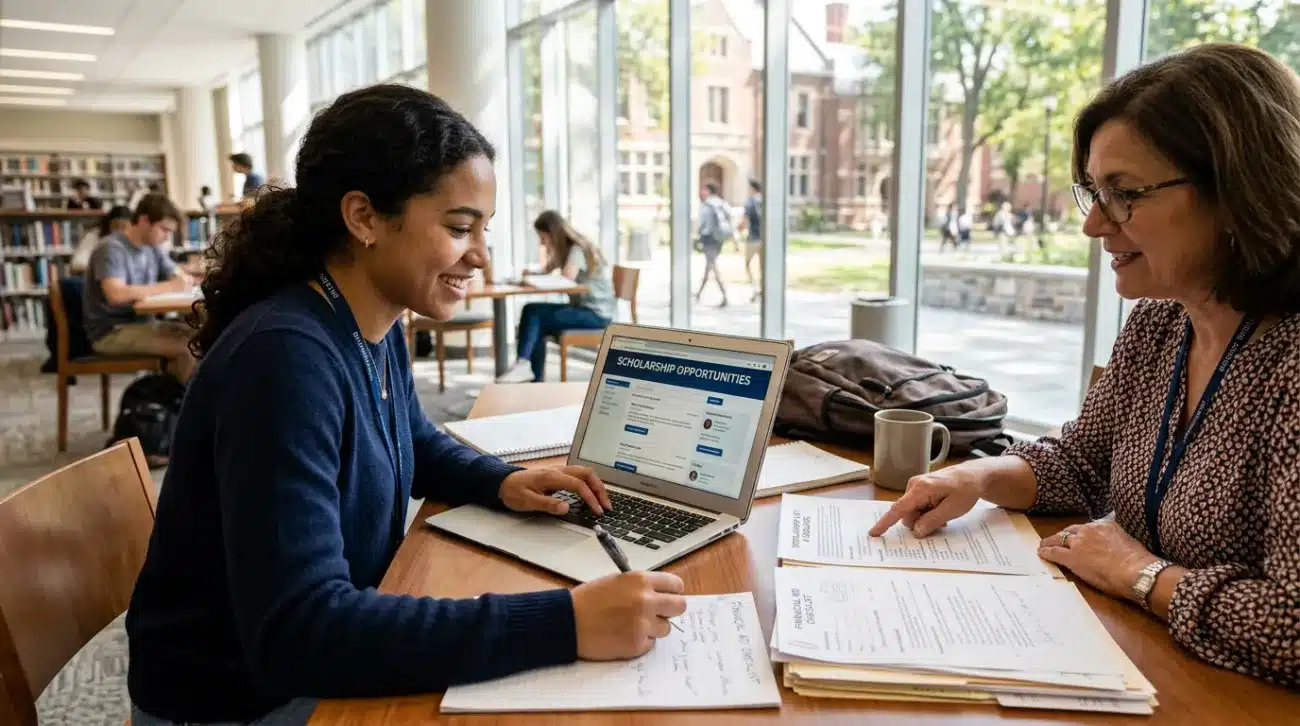
The foundation of any college cost reduction strategy begins with thoroughly understanding and maximizing available financial aid. The Free Application for Federal Student Aid, commonly known as the FAFSA, serves as the gateway to federal grants, work-study programs, and subsidized loans. Completing this application as early as possible after it becomes available each October can provide significant advantages, as some aid is distributed on a first-come, first-served basis. Many families mistakenly assume their income disqualifies them from receiving aid, but the formulas used to calculate expected family contribution often yield surprising results that make aid accessible to middle-income households.
Beyond federal aid, private scholarships represent an often underutilized resource. Thousands of organizations, foundations, companies, and community groups offer scholarships based on criteria ranging from academic achievement and athletic ability to community service, field of study, heritage, and even unusual hobbies or circumstances. While individual scholarships may seem modest, they accumulate meaningfully over four years. Local scholarships from community organizations frequently have fewer applicants than national programs, improving the odds of receiving awards. Students should begin searching for scholarships during their junior year of high school and continue applying throughout their college careers, as many scholarships are available specifically to current college students.
Many colleges practice what is known as “enrollment management,” meaning they often have flexibility in financial aid packages. Students who receive acceptance letters from multiple institutions can sometimes negotiate better aid packages by respectfully presenting competing offers to their preferred school’s financial aid office.
Choosing the Right College for Value and Affordability

The institution a student chooses plays an enormous role in determining total educational costs. Public universities, particularly those within a student’s state of residence, typically offer substantially lower tuition than private institutions. This tuition differential can amount to tens of thousands of dollars annually, translating to a six-figure difference over four years. However, the sticker price tells only part of the story. Many private colleges offer generous institutional aid that can make their net cost competitive with or even lower than public university options. Students should always compare net prices rather than published tuition rates when evaluating affordability.
Community colleges represent one of the most effective cost-saving strategies available. Completing general education requirements at a community college before transferring to a four-year institution can reduce total degree costs by a substantial percentage while providing an excellent educational foundation. Many states have established articulation agreements that guarantee credit transfer from community colleges to public universities, ensuring that students lose no progress when making this transition. Some states have also implemented programs that make community college tuition-free for qualifying students, further enhancing this pathway’s financial appeal.
Earning College Credits Before Enrollment

Students who arrive at college with credits already completed can significantly reduce both the time and money required to earn their degrees. Advanced Placement courses and examinations offer high school students the opportunity to demonstrate college-level competency in specific subjects. Scoring well on AP exams can translate into college credits at many institutions, potentially allowing students to skip introductory courses or even complete their degrees in fewer than eight semesters. The College Board administers these examinations, and policies regarding credit acceptance vary by institution, making it important for students to verify specific requirements at their intended colleges.
Dual enrollment programs provide another avenue for accumulating college credits during high school. These programs allow qualified students to take actual college courses, often at local community colleges, while still enrolled in high school. In many cases, tuition for these courses is reduced or waived entirely, representing an exceptional value proposition. The credits earned through dual enrollment typically transfer to four-year institutions, giving students a meaningful head start on their college careers. International Baccalaureate programs and College Level Examination Program tests offer additional pathways for demonstrating college-level knowledge and potentially earning credits before matriculation.
Scoring 3 or higher on AP exams can earn college credit at many institutions, with some schools requiring scores of 4 or 5 for certain courses.
Taking college courses while in high school allows students to accumulate transferable credits, often at reduced or no cost to families.
The College Level Examination Program allows students to demonstrate knowledge and earn credits in various subjects through standardized testing.
Strategic Housing and Living Cost Reduction

Housing represents one of the largest non-tuition expenses associated with attending college, and strategic decisions in this area can yield substantial savings. While many institutions require first-year students to live on campus, subsequent years often provide more flexibility. Living at home with family, when geographically feasible, eliminates room and board expenses entirely, potentially saving thousands of dollars annually. For students who cannot live at home, off-campus housing shared with roommates frequently costs less than dormitory accommodations, though this varies significantly by location and local rental markets.
Becoming a Resident Advisor represents another housing strategy that can dramatically reduce costs. RAs typically receive free or significantly discounted room and board in exchange for providing support and supervision to dormitory residents. These positions also offer valuable leadership experience and professional development opportunities. Students interested in RA positions should apply early, as competition can be intense at many institutions. Other campus employment opportunities in dining services, recreation facilities, or administrative offices can provide both income and, in some cases, meal plan benefits that offset living expenses.
Students living off-campus can significantly reduce food costs by preparing meals at home rather than relying on dining halls or restaurants. Learning basic cooking skills and shopping strategically at grocery stores can cut food expenses substantially compared to mandatory meal plan costs. Many colleges allow commuter students to purchase individual meals or smaller meal packages rather than full residential plans.
Reducing Textbook and Course Material Expenses

Textbook costs have risen dramatically over recent decades, making this category a prime target for cost-conscious students. Purchasing used textbooks, whether through campus bookstores, online retailers, or from other students, typically saves a substantial percentage compared to new book prices. Textbook rental programs, offered by many bookstores and online services, provide another economical option for courses where students do not need to retain the books for future reference. International editions of textbooks often contain identical content at a fraction of the domestic price, though students should verify that page numbers and problem sets match their course requirements.
Digital resources increasingly offer alternatives to traditional textbook purchases. Many professors place course materials on reserve at campus libraries, allowing students to access required readings without purchasing them. Open Educational Resources, or OER, provide free digital textbooks and learning materials for an expanding range of subjects. Students should also check whether older editions of required textbooks contain the same essential content, as previous editions often cost significantly less than current versions. Sharing textbooks with classmates who have different class schedules represents another practical approach to reducing this expense.
Key Strategies for Textbook Savings
Pre-owned textbooks and rental programs offer significant savings over new purchases.
Many required texts are available for short-term borrowing through campus libraries.
E-books and open educational resources can replace expensive printed materials.